Key Impacts:
-
50+ fatalities reported nationwide.
-
Dak Lak farmers report only 10-15% harvest completion.
-
Direct losses estimated at $341 million USD.
-
Global Robusta futures are surging on supply fears.
Dubai – Qahwa World
The International Coffee Organization (ICO) has issued an urgent message of solidarity to Vietnam following catastrophic flooding that has claimed dozens of lives and paralyzed the country’s vital “Coffee Belt” in the Central Highlands.
The disaster, triggered by weeks of relentless torrential rains and the aftermath of recent tropical storms, has struck at the peak of the coffee harvest season, threatening one of the world’s most critical supplies of Robusta beans.
In a statement posted on its official Instagram account, the ICO addressed the tragedy directly, emphasizing the human cost behind the supply chain disruption.
“The International Coffee Organization expresses its heartfelt condolences following the severe floods in Vietnam, which have tragically claimed lives and devastated coffee-growing communities,” the statement read.
The message highlighted the plight of smallholder farmers who are now facing the dual trauma of personal loss and economic ruin. “Our thoughts are with the families affected and with the farmers whose harvests have been severely damaged by the persistent rains. The ICO stands in solidarity with Vietnam and remains committed to supporting resilience and recovery across the global coffee sector.”
The Central Highlands, particularly the provinces of Dak Lak and Lam Dong, serve as the engine of Vietnam’s coffee industry, accounting for over a third of the world’s Robusta supply. November usually marks the bustling onset of the harvest, but this year, the fields are silent and waterlogged.
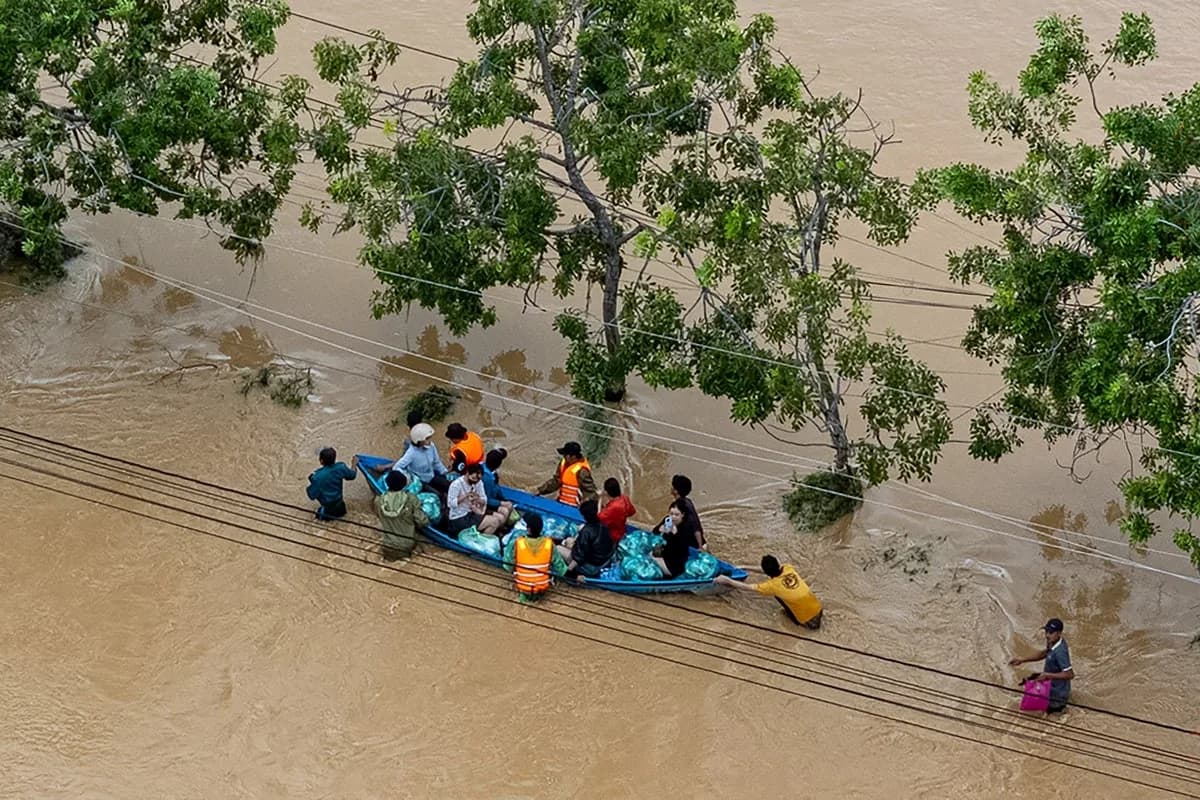
Field estimates indicate that farmers in Dak Lak province had managed to harvest only 10% to 15% of their crop before the floods hit. In low-lying areas, reports confirm that floodwaters have submerged coffee trees by up to two meters, threatening root rot and the destruction of ripe cherries.
Heavy Human and Material Losses
Local authorities report that rainfall in some areas has exceeded 1,500mm (59 inches) in recent weeks. The deluge has triggered landslides and flash floods, isolating remote farming villages.
As of this weekend, disaster management agencies have reported over 50 fatalities nationwide. Economically, the Vietnamese government estimates the direct losses from the disaster at approximately 8.98 trillion VND ($341 million USD), with nearly 80,000 hectares of crops damaged, a significant portion being coffee farms.
For coffee farmers, the timing could not be worse.
“The cherries are ripe, but we cannot pick them,” said Nguyen Van An, a farmer in the Buon Ma Thuot region. “If we pick them, we cannot dry them because there is no sun. If we leave them, they rot on the branch or fall into the mud.”
Global Market Tremors
The situation in Vietnam has sent immediate shockwaves through the global commodities market. Coffee futures have surged to multi-week highs as traders brace for a severe supply crunch, with analysts now fearing a drop in Vietnam’s total production by up to 20% compared to previous forecasts.
Unlike Arabica, which is often mechanically dried, Vietnamese Robusta is largely sun-dried on patios. The persistent moisture raises the risk of mold and fermentation, potentially rendering large portions of the crop unusable for export. With global coffee stockpiles already tight, analysts fear this disaster could push consumer prices higher in 2026.
A Call for Resilience
The ICO’s statement underscores a growing urgency within the industry to address climate vulnerability. Vietnam has faced an increasingly erratic climate in 2025, swinging from severe droughts earlier in the year to the current historic floods.
As rescue teams continue to reach isolated communities and the waters slowly recede, the focus will soon turn to recovery. The ICO’s pledge to support “resilience and recovery” suggests that international aid and long-term adaptation strategies will be crucial in helping Vietnam’s coffee sector weather the storms of a changing climate.